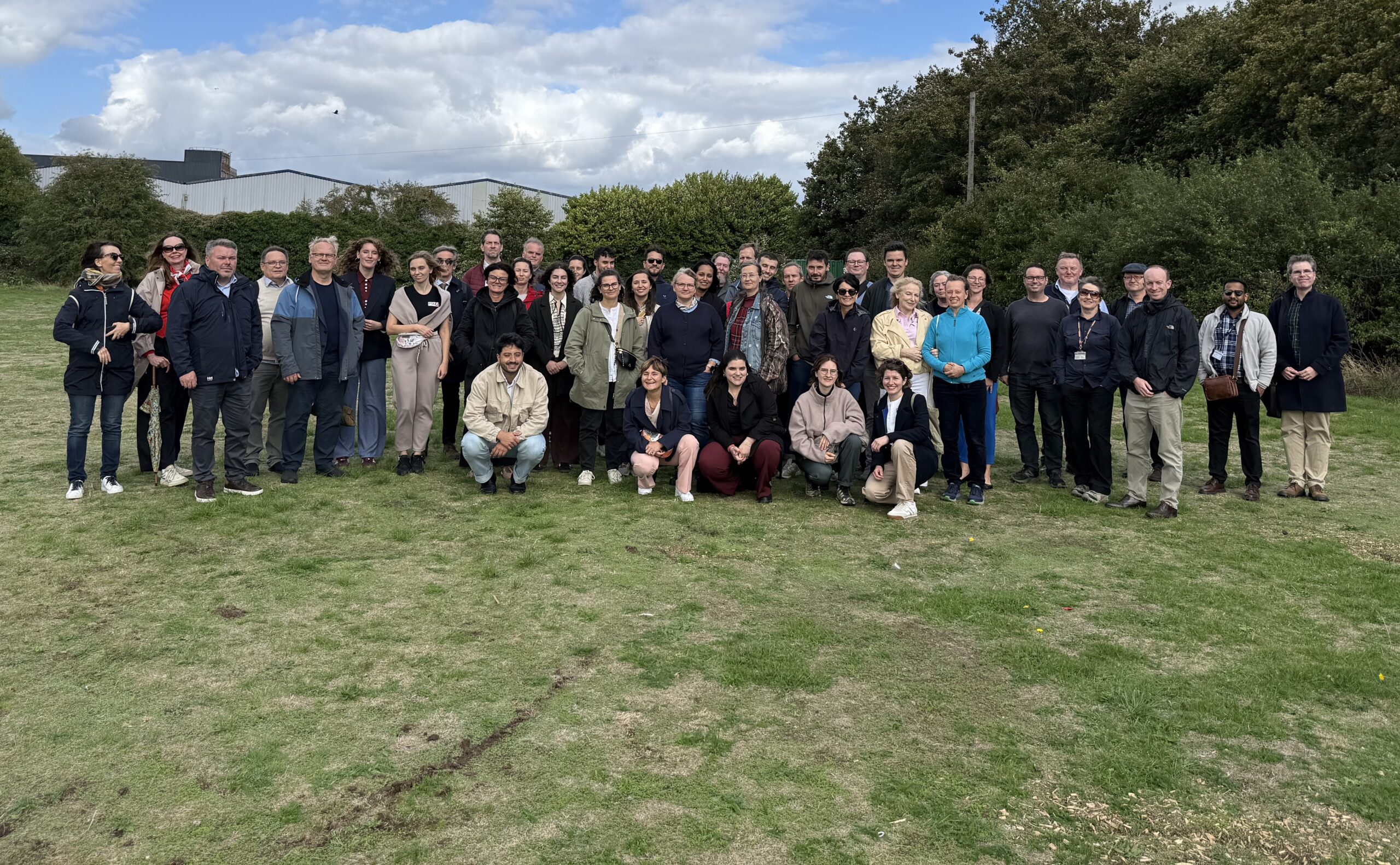
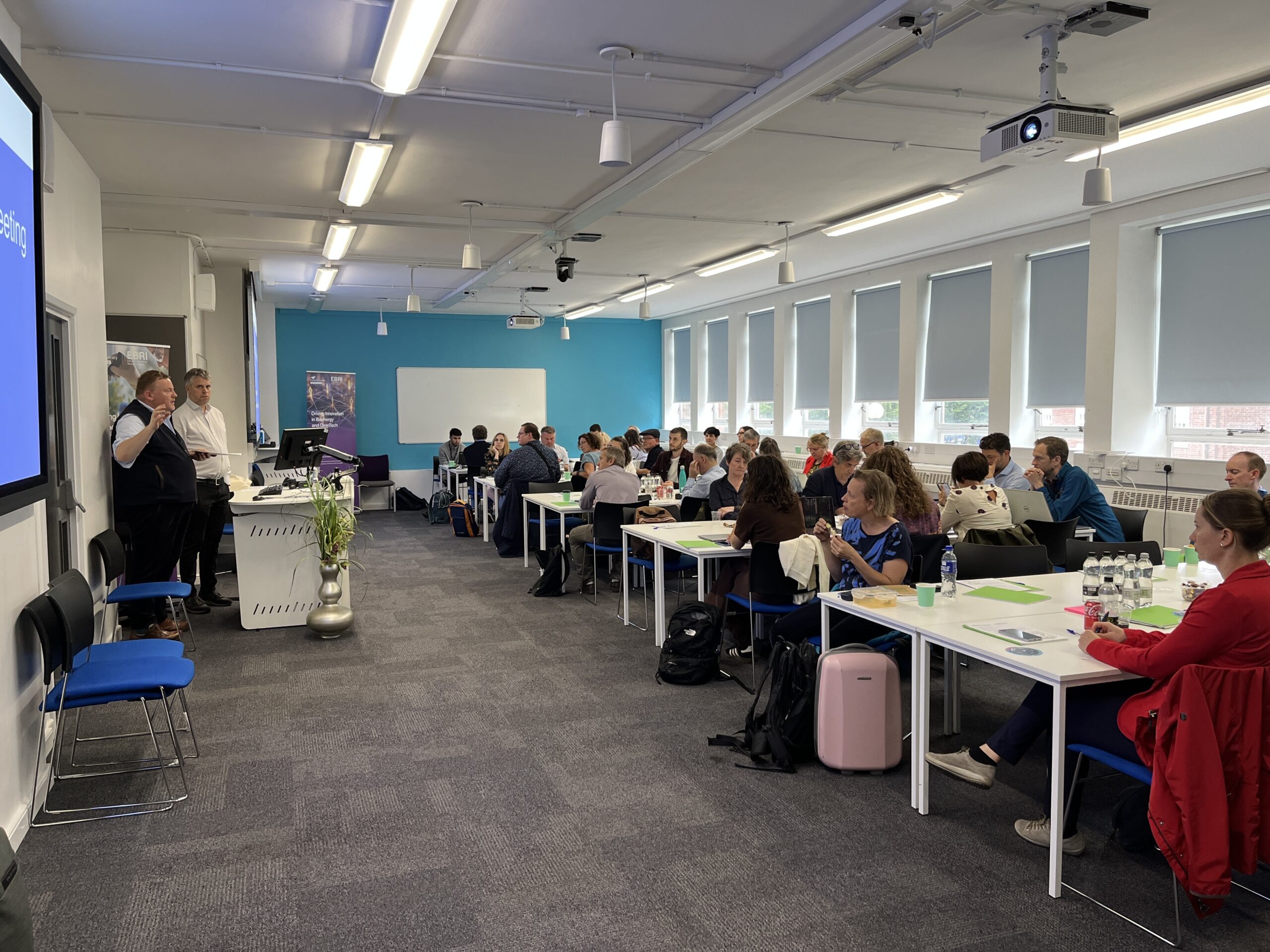
Birmingham, UK, 18 September 2026 — Europe has a land problem hiding in plain sight. Thousands of brownfield sites — former industrial plots, disused rail yards, old refineries and mining land — sit idle across the continent, too contaminated or too poorly understood to safely redevelop. As cities battle housing shortages, shrinking green space and the mounting pressures of climate change, this stranded land represents one of Europe’s most underused resources: real estate that could become parks, housing, biodiversity corridors or urban farmland, but instead depresses local property values and quietly carries health and environmental risks that are rarely measured consistently from one site to the next.REGENSOILL, a new Horizon Europe-funded project, aims to change that. The project officially launched with a kick-off meeting hosted by Aston University in Birmingham from 16 to 18 September 2026, bringing together around 60 experts from 25 beneficiary organisations and one associated partner across 12 countries. Over the next four and a half years, the consortium will work to restore soil health on real brownfield sites while building a harmonised, trustworthy evidence base that cities, regions and investors across Europe can actually use.
Why brownfields, and why now
Soil is not a renewable resource on any timescale that matters to policy — it takes centuries to form naturally, yet it underpins food security, water filtration, carbon storage and urban liveability alike. Brownfield sites represent a paradox: land that is often centrally located and ready for reuse but held back because soil contamination and degradation are assessed with fragmented, inconsistent methods that make it hard for authorities to compare results, justify investment, or plan remediation with confidence.That gap is about to matter even more. The EU’s Soil Monitoring and Resilience Directive — politically agreed by the Council and Parliament in April 2025 and adopted in June 2025 — will soon enter into force, requiring Member States to monitor soil health against common indicators within a three-year transposition period. REGENSOILL is designed to get ahead of that curve, baselining and monitoring soils in ways that are already aligned with the directive’s requirements, so that the evidence it produces is immediately usable for policymaking rather than needing to be retrofitted later.
Five Living Labs, one shared method
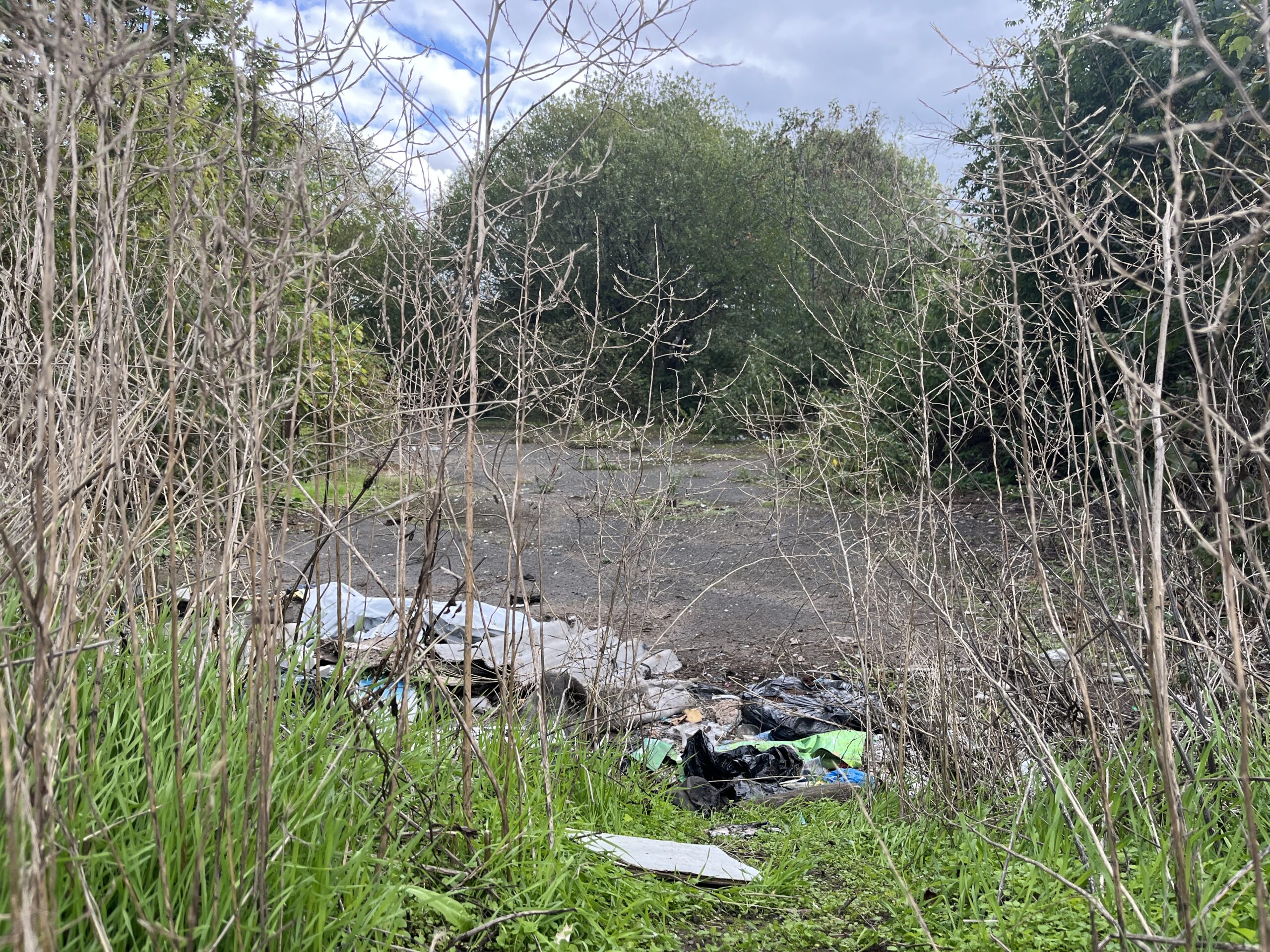
At the heart of REGENSOILL are five Living Labs — real-world, place-based testbeds in Birmingham (UK), Budapest (Hungary), the Silesia Metropolis (Poland), the European Metropolis of Lille (France), and a Baltic Countries cluster spanning Lithuania, Latvia and Estonia. Together they cover a striking range of European conditions: ports and refineries, rail yards and river corridors, mining-ash landforms and dense urban fabric, across roughly 74 experimental sites.Rather than testing isolated technologies in controlled conditions, REGENSOILL will run its experiments inside real planning, permitting and investment processes — with local authorities, landowners, businesses, researchers and residents involved from the start. In Birmingham, that work has already begun, with the project identifying a green corridor between the A45 Coventry Road and A41 Warwick Road as a candidate site, in partnership with Birmingham City Council and the West Midlands Combined Authority.
A toolkit that works with nature, not against it
REGENSOILL’s approach to remediation leans on nature-based and circular solutions: biochar, compost and vegetation covers to rebuild soil organic carbon, alongside phytoremediation and microbial techniques that draw contaminants out of the ground using plants and fungi rather than heavy engineering. These methods double as co-benefits — supporting urban agriculture, biodiversity corridors and climate adaptation — while a purpose-built Decision Support System, complete with site-level digital twins, will let planners and investors model different remediation strategies before committing money or time to them.
From pilot projects to lasting change
REGENSOILL is explicit about wanting to outlive its own funding. The project will designate at least six “lighthouse” sites that meet strict readiness criteria and package them into replication kits — complete with business models, financing routes and policy briefs — so that other cities can adopt proven solutions without starting from scratch. It aims to secure at least three external municipal replications by the project’s end, alongside a governmental Associated Partner, the Estonian Ministry of Climate, feeding policy-alignment guidance back into the process throughout.
Public engagement is treated as a deliverable in its own right, not an afterthought. Through citizen science, arts-based storytelling and structured co-creation with residents, REGENSOILL aims to measurably improve soil literacy and public trust — recognising that even the best remediation technology fails without the communities who live alongside brownfield land on board.
By the time REGENSOILL concludes, the consortium expects to leave behind five fully operational Living Labs with lasting governance structures, measurable reductions in soil contamination, and a ready-to-use toolkit — technical, financial and regulatory — that other European cities can pick up and apply. In a Europe short on land, long on climate pressure, and newly bound by common soil-monitoring rules, that combination could turn some of the continent’s most damaged ground into some of its most valuable.
Leave a Reply